

Planning a Punjabi wedding in Canada is basically a part-time job. Chunni ceremony, Maiyaan, Sangeet, Mehndi, the Anand Karaj itself, then the reception. Most brides end up needing five or six full looks, and the accessories to go with each one. If you've tried to find real Punjabi bridal pieces in Toronto, Brampton, Calgary, or Vancouver, you've probably hit one of two walls: the local options feel outdated, or you're stuck ordering from overseas and praying it clears customs before the wedding date.
We've watched enough brides go through this to know the pattern. So this is less a "top 10 tips" list and more the actual shopping order things tend to happen in.
Start With Your Function List, Not Your Outfit List
Before buying anything, map out which functions you're shopping for. A typical Punjabi wedding in Canada runs through:
- Chunni ceremony or Roka
- Maiyaan (Vatna and Haldi)
- Sangeet
- Mehndi
- Anand Karaj, the wedding ceremony
- Reception
Each one has its own mood. Maiyaan is earthy and a bit messy on purpose. Sangeet is where you're allowed to go loud. The Anand Karaj is where your bridal jewelry and outfit have to hold up under real daylight for hours, not just look good in one photo. Shopping function by function, instead of picking one outfit you love and building the rest around it, is what actually keeps the budget from blowing out.
Bridal Jewelry: The Foundation of Every Look
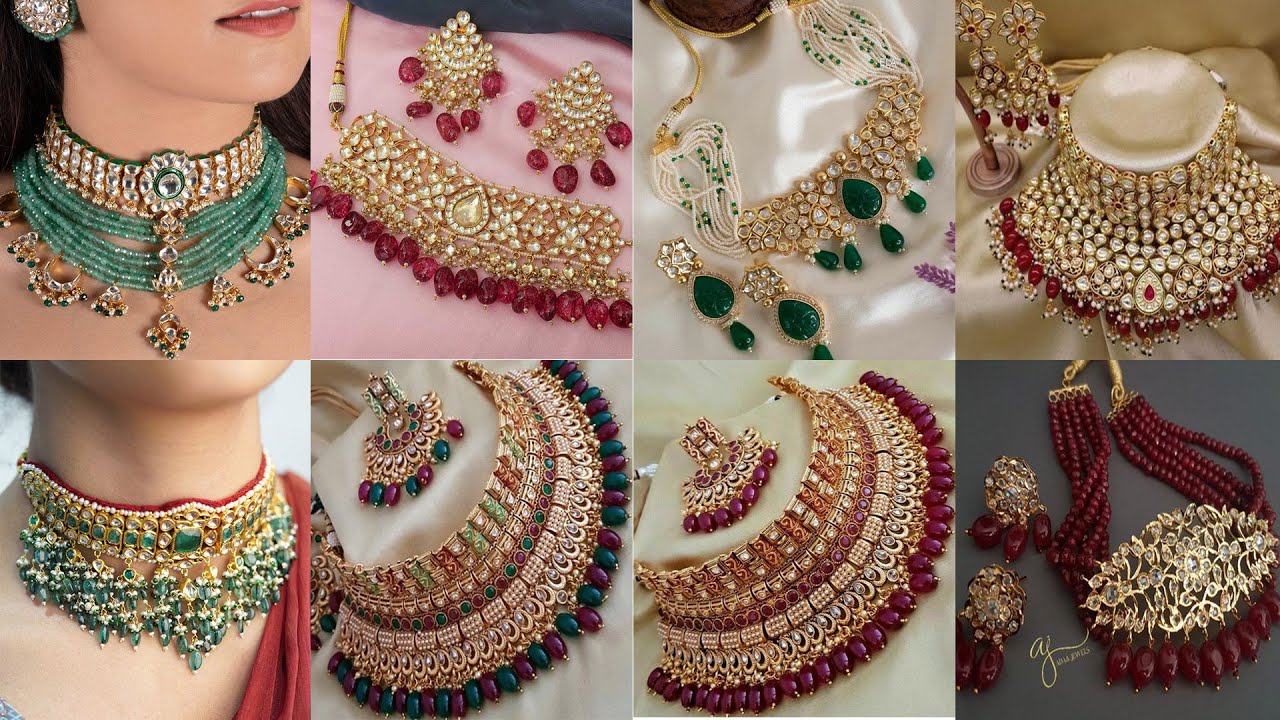
Jewelry is usually the first thing a bride locks in, and honestly, that's the right instinct. It anchors everything else. A well-chosen necklace set can carry a fairly plain suit, and earrings and bangles are what actually end up in the close-up shots and reels, more than the outfit itself sometimes.
A few things worth knowing before you buy:
- Match metal tones across pieces. A warm gold necklace next to cool-toned earrings is one of the most common last-minute mismatches we see.
- Have bangles sized well before the week of the wedding, not the day of. Hands and wrists swell from Vatna and Mehndi more than people expect.
-
Don't forget the small stuff. Bindis, maang tikka, and nose pins live under
Jewelry accessories, and they're the first thing forgotten on the actual morning.
If money is tight for one particular function, renting statement jewelry is often smarter than buying it outright. More on that further down.
Punjabi Jutti: Comfort Matters More Than People Admit

Every bride pictures herself in a gorgeous embroidered jutti and forgets she'll be standing, dancing, and walking in them for six-plus hours straight. Women's Punjabi jutti should get broken in at least a week ahead, not tried on for the first time the morning of.
If the groom's side is also shopping, don't skip the men's collection either. It has jutti and accessories that coordinate with whatever colour palette the bride has already settled on, which saves a lot of back-and-forth texting closer to the date.
Lehengas, Suits, and What to Wear for Each Function
This is where most of the budget goes, and where most brides feel the most pressure. A few things we've noticed across actual Canadian wedding seasons:
Sangeet and Mehndi are where heavier embellishment and brighter colours work. This is the one night you're allowed to go louder than your Anand Karaj outfit. Maiyaan outfits should be easy to move in and fine to get a little ruined, since turmeric and rose water stains are basically guaranteed. And Anand Karaj outfits need to photograph well in both daylight and indoor lighting, since most Gurdwara ceremonies land mid-morning when the light is doing two different things at once.
The lehengas and suits collection covers the full range across functions, which is easier than piecing looks together from five different stores.
Maiyaan Essentials: Easy to Forget, Hard to Improvise
The Maiyaan ceremony has its own list of props that a lot of brides don't think about until a week out: chaunki, phulti thaal glasses, gharvi, dounga, vatna bowls, shagan plates, and haldi accessories. None of this is the kind of thing you casually pick up at a regular mall. Buying it piecemeal from five different places is exactly the kind of headache you don't need two weeks before the wedding. The Maiyaan collection has most of it in one spot.
Phulkari: For Maiyaan, Sangeet, and Gifting
Phulkari has quietly become a staple across almost every function now, whether it's a dupatta, a backdrop accent, or a gift for the women hosting the Maiyaan. The Phulkari collection is worth browsing early. These pieces double as genuinely good gifts for hosts or out-of-town guests, not just bridal wear.
Seh Chithi and Shagan Envelopes: Don't Leave This to the Last Minute
The Seh Chithi is the formal invitation extended to the groom's side. It's steeped in tradition, and it's not something you want to grab a generic card for at the last minute. Seh Chithi and Shagun envelopes tend to sell out as peak wedding season (May through September in Canada) approaches, so it's worth sorting out even before the outfits are finalized.
Hair Accessories and Prandhas
 Prandhas are one of those signature Punjabi bridal touches, and getting the length and colour right takes some back-and-forth with your hairstylist beforehand, not on the morning of. Prandhas and hair accessories covers options for the bride and for younger family members joining the Maiyaan or Sangeet.
Purses and Wedding Accessories Shop
The small details are what finish a look: a beaded clutch for the reception, coordinated potli bags for the Sangeet, gifting bags for the bridal party. Have a look at bags and purses and the broader wedding accessoriesrange instead of treating these as an afterthought, because they show up in more photos than you'd think.
Renting vs. Buying: A Practical Budget Call
Not everything needs to be bought outright. Heavy bridal jewelry sets you'll likely wear exactly once are the obvious candidate here. Rentals free up real budget for things you'll actually wear again, like everyday jutti, Phulkari dupattas, or jewelry you'd reach for at a future family wedding.
Shopping on a Budget
If the wedding budget is already stretched by venue and catering, which it usually is, check the Sale collection regularly in the months leading up. New markdowns get added as seasonal stock rotates, so it's not a one-time check.
A Simple Shopping Timeline for Canadian Brides
Four to six months out, lock in the Anand Karaj outfit and bridal jewelry first. These take the longest to source and alter. Two to three months out, sort Sangeet and reception outfits, plus jutti, so there's time to actually break them in. Six to eight weeks out, handle Maiyaan essentials, Seh Chithi, Phulkari, and hair accessories. And two to three weeks out, do final fittings, bangle sizing, purses, and whatever small accessories are still missing.
FAQ
How far in advance should I start Punjabi wedding shopping in Canada?
Most brides start four to six months out, beginning with the Anand Karaj outfit and bridal jewelry, since those often need sizing or alterations.
What's the difference between Maiyaan and Sangeet outfits?
Maiyaan outfits are simple and meant to get a little messy from turmeric and rose water. Sangeet outfits are the boldest, most embellished looks of the whole wedding season.
Do I need to buy Seh Chithi envelopes separately from wedding accessories?
Yes. Seh Chithi and Shagun envelopes follow their own traditional formats, distinct from general gifting or decor accessories.
Is it better to rent or buy bridal jewelry for a Punjabi wedding?
For a heavy set you'll likely wear once, renting is usually the more practical call. It frees up budget for pieces you'll actually wear again.
Shagna Di Hatti is a Toronto-based Punjabi wedding shopping destination, curated from India for Canadian brides who don't want to compromise on style, comfort, or budget. Browse the full collections, or reach out through our contact page if you need help pulling together a specific function's look.